
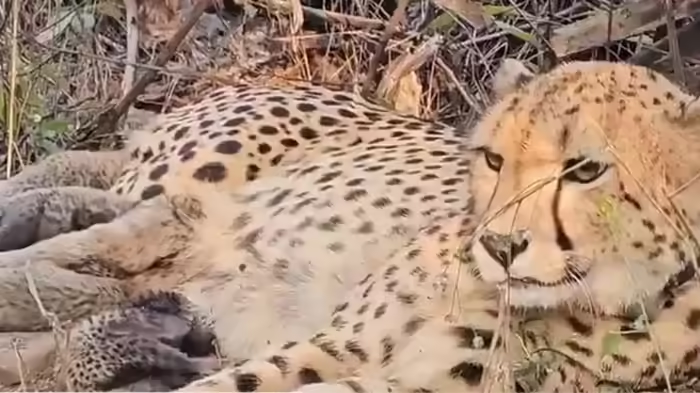
Shivpuri, Madhya Pradesh: A historic moment has been recorded in India’s wildlife conservation journey as Mukhi, a female cheetah born in India, has given birth to five healthy cubs at Kuno National Park. At 33 months of age, Mukhi has become the first India-born female cheetah to reproduce, marking a major success for the Cheetah Reintroduction Project.
A Triumph for Conservation
The birth of Mukhi’s cubs is celebrated as a significant milestone in India’s efforts to restore the cheetah population after its extinction in the country. Wildlife authorities shared a video of Mukhi nursing her five cubs, highlighting the healthy start for the new generation of cheetahs. Experts call this a landmark achievement for the project, signaling hope for population growth of this iconic species in India.
Chief Minister Congratulates Team
Madhya Pradesh CM Mohan Yadav congratulated the wildlife team on social media, calling the birth of Mukhi’s cubs a historic accomplishment. He confirmed that both Mukhi and her cubs are healthy and safe. The Chief Minister emphasized that successful breeding of India-born cheetahs demonstrates their adaptation, health, and long-term viability in Indian habitats, strengthening efforts toward self-sustaining and genetically diverse cheetah populations.
Boost to India’s Cheetah Reintroduction Initiative
Mukhi’s successful motherhood further boosts confidence in the ongoing Cheetah Reintroduction Initiative, which aims to re-establish this majestic predator in India’s protected areas. Previously, cheetahs imported from Namibia and South Africa had also successfully bred in India, increasing the population. Currently, cheetahs are housed at Kuno National Park and Gandhi Sagar Sanctuary, creating a growing and thriving population of the species in the country.
This milestone not only reinforces India’s commitment to wildlife conservation but also signals a brighter future for the genetic and ecological restoration of cheetahs in their native landscapes.
Discover more from Global Chronicle
Subscribe to get the latest posts sent to your email.